

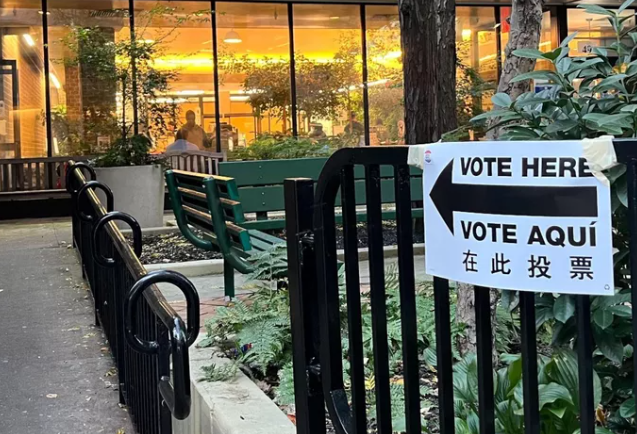
In a landmark vote that could reshape the future of New York City’s housing landscape, residents overwhelmingly approved a series of ballot measures aimed at streamlining the approval process for affordable housing developments. The move marks a pivotal step toward addressing the city’s severe housing shortage and achieving Mayor Eric Adams’ goal of delivering 500,000 new homes over the next decade.
A Major Win for Pro-Housing Advocates
With roughly 90% of votes counted, four ballot measures received broad voter support — three of which directly target the city’s notoriously slow and complex housing approval system. The measures, championed by Mayor Adams and backed by housing advocacy group Open New York, are designed to cut through red tape and modernize how affordable housing projects move forward.
“This election, New Yorkers had the chance to choose more housing at the ballot box — and they chose it overwhelmingly,” said Andrew Fine, Chief of Staff and Policy Director at Open New York. “For too long, our ability to build enough housing has been kneecapped by outdated processes that produce only delays and scarcity.”
Breaking Down the Ballot Measures
Ballot Measure 2 introduces two new fast-track approval processes for affordable housing projects — one for publicly financed developments and another for projects in community districts with historically low development activity. These changes aim to replace portions of the Uniform Land Use Review Procedure (ULURP), which often stretches for six months or more.
According to a recent New York Housing Conference report, housing production has been uneven across the city. Two Bronx districts — covering Fordham, Bedford Park, and Morrisania — have delivered 16,500 new units since 2014, more than 28 other districts combined, some of which produced fewer than 80 apartments in that same period. The new process seeks to distribute development more equitably across all boroughs. Ballot Measure 3 further expedites reviews for modest affordable housing projects, particularly those with moderate floor area ratio (FAR) increases or height adjustments of up to 45 feet in low-density districts. These changes could significantly reduce time spent navigating zoning boards and appeals, a common bottleneck for smaller developers. “Getting bogged down at the Board of Standards and Appeals or City Planning is a deterrent,” noted Justin Pelsinger, CEO of Charney Companies. “It elongates the timeline for housing to get built — if it gets built at all.”
The fourth and most controversial measure establishes a new appeals board for affordable housing proposals rejected by the City Council. Composed of the mayor, the council speaker, and the borough president, the board can overturn council rejections with a two-person majority vote. Supporters argue this provides balance; opponents see it as undermining local control.
Opposition and Concerns
The New York City Council strongly opposed Measures 2, 3, and 4, calling them a “power grab” that weakens democratic oversight. The Council launched a $1.5 million mail campaign urging residents to vote against the proposals. “These misleading ballot proposals permanently change the City’s constitution to weaken democracy,” said Council spokesperson Benjamin Fang-Estrada. “They leave our city without the checks and balances that protect New Yorkers and ensure equitable outcomes.” Despite the pushback, voters sided with reform. Many in the real estate community believe these measures will reduce project timelines, encourage investment, and increase overall housing supply, particularly in underdeveloped areas.
Additional Measures Pass
Two less contentious proposals also passed:
● Measure 5 will digitize the city’s official street and open space maps, replacing outdated paper systems maintained by each borough.
● Measure 1 retroactively authorizes the Mount Van Hoevenberg Olympic Sports Complex expansion in Essex County, ensuring compliance with environmental protections.
Meanwhile, a separate proposal to align local elections with presidential election years appeared headed for defeat as of late Tuesday night.
A Turning Point for New York’s Housing Future
Incoming mayor Zohran Mamdani, who won his race over Andrew Cuomo by 9 percentage points, voiced support for the measures while acknowledging council concerns.
“I understand that opposition is driven by commitment to communities,” Mamdani said after voting yes on Measures 1–5. “I look forward to working together to deliver investment and opportunity for all New Yorkers.”
With voter approval secured, city agencies and developers alike are preparing for a new era in housing policy — one focused on speed, efficiency, and equity. If implemented as intended, these reforms could mark one of the most significant shifts in New York City’s land use process in decades.
Adapted from Bisnow, Fortune and the New York Housing Conference